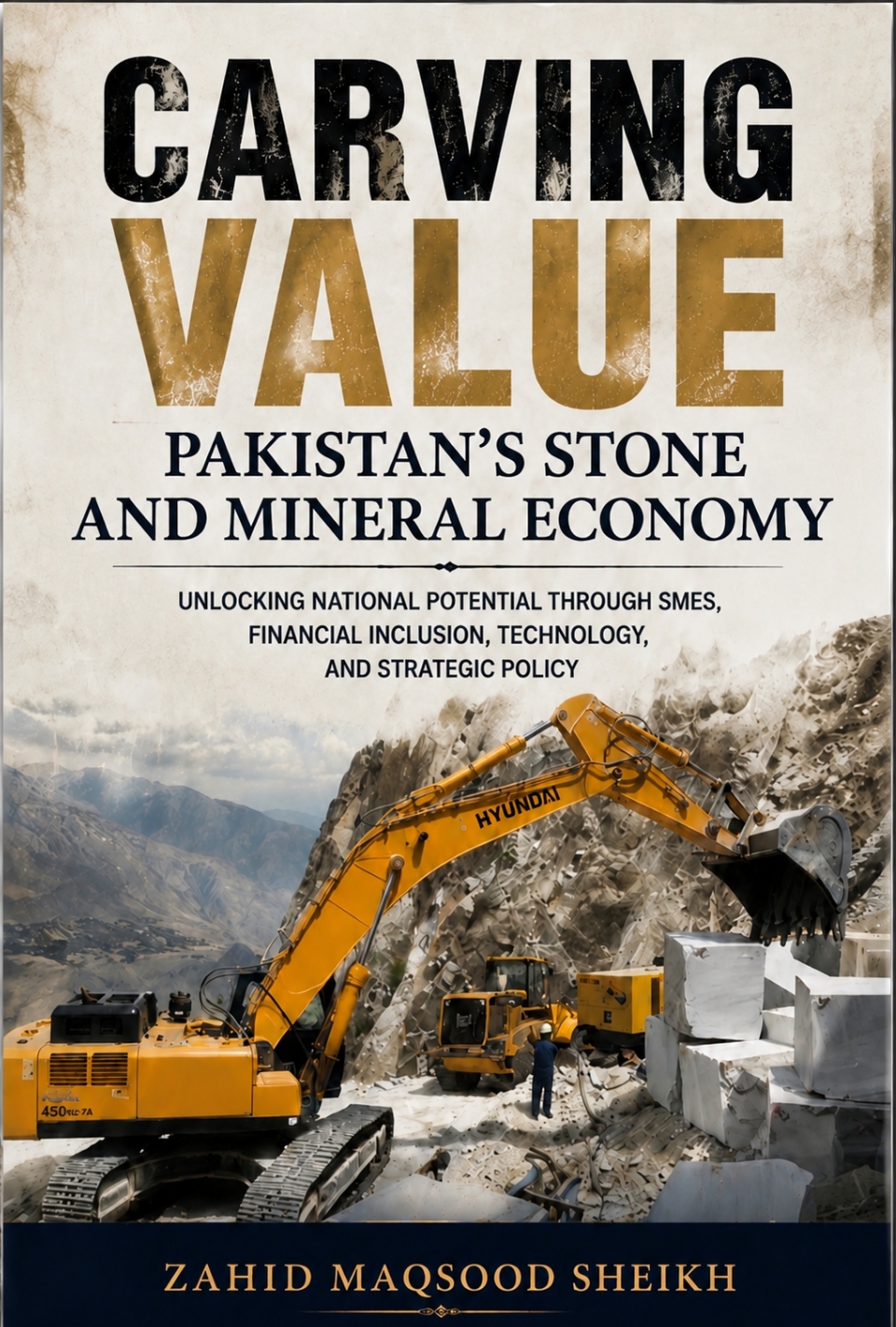
Available for institutions, libraries, policy practitioners, and individuals.
📖 Read Book Online Request a Copy Bulk / Institutional OrderPakistan at the Crossroads — A Practitioner's Perspective
This book is not a theoretical treatise. It is the distilled experience of a practitioner who has spent over 25 years inside Pakistan's institutions — leading them, reforming them, and struggling with the structural forces that keep them from performing.
Each of the 50 articles in this compilation was written in response to a real challenge, a real policy debate, or a real institutional failure. Together, they form a comprehensive diagnosis of why Pakistan's public institutions underperform — and a practical framework for what genuine reform requires.
The book is intended for policymakers, reform practitioners, development professionals, academics, journalists, and any citizen who wants to understand the structural roots of Pakistan's development challenges and the pathways to institutional transformation.
Key Themes Covered
Governance & Accountability
Why Pakistan's governance structures fail and what evidence-based accountability frameworks look like.
SOE Reform
The political economy of state-owned enterprise reform and pathways to genuine institutional transformation.
Economic Policy
Industrial growth, SME development, exports, and value chains within Pakistan's institutional context.
Mineral Sector
Pakistan's untapped mineral wealth and the institutional barriers preventing its transformation into industrial value.
CPEC & Regional Strategy
How institutional capacity determines whether CPEC becomes a transformative development initiative or stranded assets.
Social Reform
Education, health, and social welfare reforms viewed through the lens of institutional development.
Chapter Preview: "The Governance Deficit in Pakistan's Public Sector"
"Pakistan's governance problem is not, at its core, a problem of competence or resources. It is a problem of structure. When accountability mechanisms are absent, when performance is not measured, and when tenure is not linked to outcomes, even the most capable individuals eventually conform to the institutional incentives around them — not the other way around."
The chapter examines five structural features of Pakistan's public sector governance that systematically produce poor outcomes: ambiguous mandates, fragmented accountability, weak performance management, political interference in operational decisions, and an absence of institutional memory and knowledge management.
It concludes with a framework for addressing each of these — sequenced to account for Pakistan's political and administrative context, and drawing on international reform experiences adapted to local realities.